
Directed by: Destin Daniel Cretton
Written by: Chris McKenna and Erik Sommers
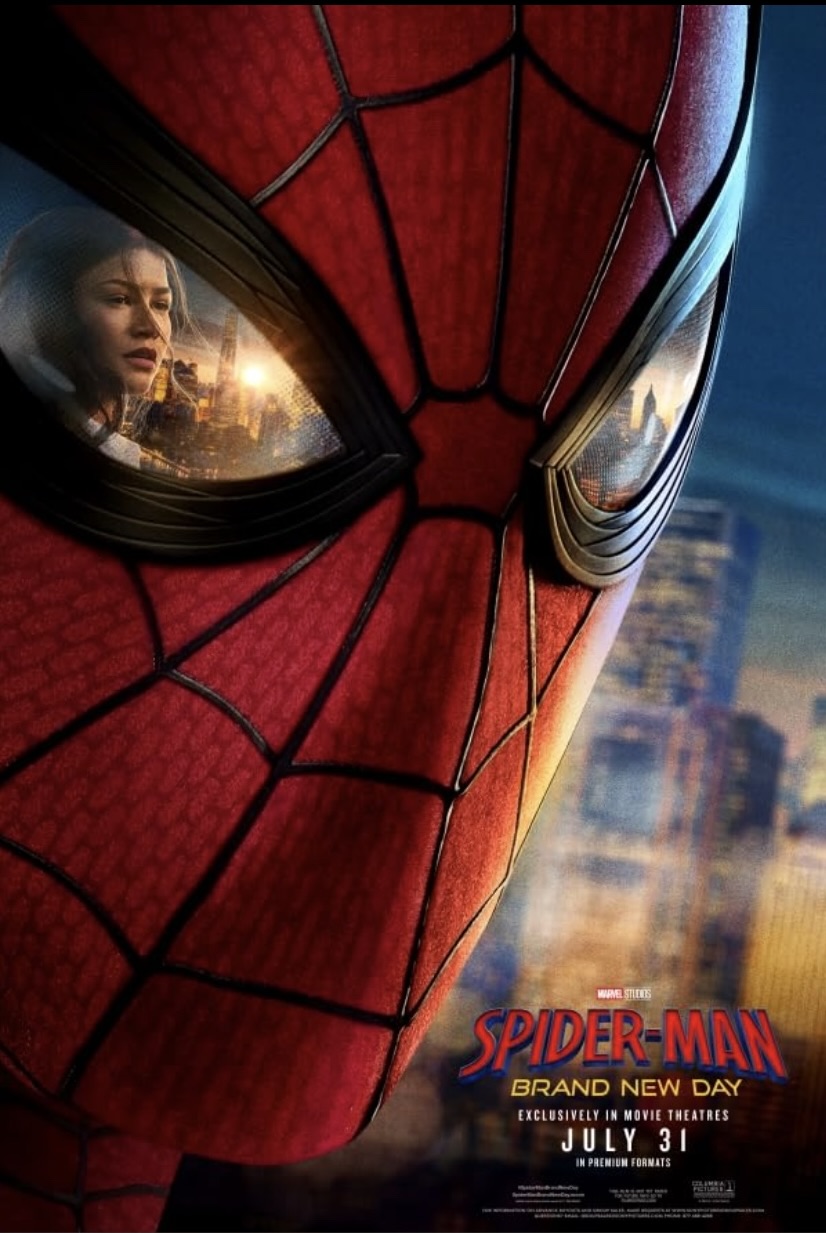
Tom Holland’s run as Spider-Man has taken Peter Parker from an inexperienced teenager desperately seeking the approval of Tony Stark to a hero forced to face the consequences of his own decisions. Spider-Man: Homecoming gave us the overeager young hero, Far From Home placed the weight of Iron Man’s legacy on his shoulders, and No Way Home stripped away nearly everything Peter loved. The world forgot his identity, his closest friends no longer knew him, and Peter was left completely alone. Spider-Man: Brand New Day wisely embraces those consequences rather than quickly reversing them. Director Destin Daniel Cretton gives Tom Holland his most mature opportunity yet to explore Peter Parker, while writers Chris McKenna and Erik Sommers understand that the greatest Spider-Man stories are not merely about defeating villains. They are about the personal cost Peter pays every time he puts on the mask. The two writers balanced the story pretty well with some hard-hitting sequences, both action-wise and emotionally speaking. This is why this film gets a Writing a Movie RIGHT review.
Here come the spoilers…
The story finds our hero several years after the events of No Way Home. Peter has dedicated his entire existence to fighting crime because Spider-Man is the only part of his identity the world has not taken from him. He patrols constantly, sleeps very little, neglects his health, and has created a life with no room for friendship, love, happiness, or even basic self-care. Being Spider-Man is no longer simply what Peter does; it has become a way to avoid confronting how lonely Peter Parker has become. Eventually, that lifestyle catches up with him physically and emotionally. As the pressure begins to change his body and threaten his ability to remain in control, Peter encounters a mysterious antagonist capable of entering and controlling the minds of other people. This creates a threat Spider-Man cannot defeat simply by punching harder. Peter is forced to confront an enemy who can turn innocent people into weapons while exposing the emotional wounds he has spent years hiding beneath the mask.
The movie’s most surprising relationship is not between Peter and MJ. It is the unlikely partnership between Spider-Man and Frank Castle, once again played by Jon Bernthal. The Punisher is not inserted merely to fire weapons and provide brutal action sequences. Bernthal brings fresh energy to the movie by maintaining Frank’s hardened, no-nonsense personality while revealing a surprisingly funny side whenever he is placed beside Peter. Spider-Man’s optimism, constant talking, and refusal to abandon anyone clash perfectly with Frank’s blunt belief that some criminals cannot be saved. The comedy develops naturally from that contrast without reducing the Punisher to comic relief or forcing him to behave out of character. Peter keeps talking when Frank wants silence. Peter searches for a peaceful solution while Frank has already loaded another magazine. Their arguments about justice are entertaining, but they also reveal the fundamental difference between them: Frank believes people are defined by their worst actions, while Peter continues believing they can choose to become something better. Beneath Frank’s hardened exterior, however, is a man who recognizes genuine courage. Peter’s willingness to sacrifice himself during the final battle earns Frank’s respect, and Bernthal communicates that change without requiring an emotional speech. What begins as an uneasy alliance develops into one of the MCU’s most compelling and unexpected partnerships.
The final act brings Peter’s physical and emotional struggles together as the antagonist’s control spreads and innocent lives are placed in danger. Peter cannot win by surrendering to the anger, isolation, and increasingly dangerous power building inside him. He wins by remembering why he became Spider-Man in the first place. Even after losing his family, his friends, and his place in the lives of MJ and Ned, Peter still refuses to let another person be abandoned. The action delivers the spectacle expected from a Spider-Man movie, but it is Peter’s decision to protect someone everyone else considers an enemy that gives the climax its emotional weight. Frank may not completely agree with Peter’s methods, but he finally understands that Peter’s compassion is not weakness. It is the source of his strength. Their final moments together leave the door wide open for future team-ups, and Marvel would be foolish not to continue developing the chemistry between Holland and Bernthal.
By the conclusion, Brand New Day has accomplished exactly what its title promises. It does not erase Peter’s history or magically return everything he lost. Instead, it allows him to accept that Peter Parker deserves a life beyond Spider-Man. The character emerges from the story with a renewed purpose, a healthier understanding of responsibility, and the possibility of forming new relationships without attempting to recreate his old life. At the same time, the film introduces enough criminals, adversaries, and unresolved threats to make a future Sinister Six storyline feel increasingly possible. Given the tremendous opening box-office performance, Tom Holland clearly has several more opportunities to explore this new chapter and bring more of Spider-Man’s legendary villains to the screen. Brand New Day gives Marvel something more valuable than another temporary victory over a supervillain. It gives Peter Parker a genuine reset, an unexpected ally in the Punisher, and a future in which our friendly neighborhood Spider-Man can finally begin living again.
Thanks for reading Writing a Movie RIGHT.